I noticed my nails first, actually — not my skin. Somewhere around 52, my thumbnails started splitting down the middle no matter how careful I was, and my pedicures stopped lasting more than a week before the polish looked dull against nails that seemed thicker than I remembered. I run Primaurea because of the menopause side of this transition — more on that here — but skin and nails turned out to be just as much a part of this decade as hot flashes were. This guide is what I've learned since: what's actually happening, what's worth doing about it, and an honest look at a nail care product I've tried myself.
Why Do Skin and Nails Change So Much After 50?
Skin and nails are both made largely of the same structural proteins — collagen and keratin — and both slow down for similar reasons as we age. Collagen production drops steadily after your 20s, and the decline speeds up around menopause because estrogen plays a direct role in keeping collagen renewal going. Less collagen means thinner, less elastic skin that shows lines more easily and holds moisture less well. According to the National Institute on Aging, the outer layer of skin also gets thinner and more fragile with age, on top of decades of cumulative sun exposure, which is usually the bigger visible factor than age alone.
Nails follow a slower, quieter version of the same story. Nail growth decreases by roughly half a percent every year starting in your 20s, so by your 50s and 60s that adds up to nails that visibly grow slower than they used to. Research on aging nails has found that the nail plate's water content drops while its calcium content increases, which is part of why older nails feel harder but also crack and split more easily — a combination that can feel counterintuitive if you expect "harder" to mean "stronger." Reduced circulation to the fingers and toes plays a role too, since nails (like hair) rely on a steady blood supply to grow at a normal rate.
What Actually Helps Skin After 50?
I've read a lot of skincare marketing that promises far more than the ingredient list can deliver. Stripped down to what has real evidence behind it, four things consistently show up:
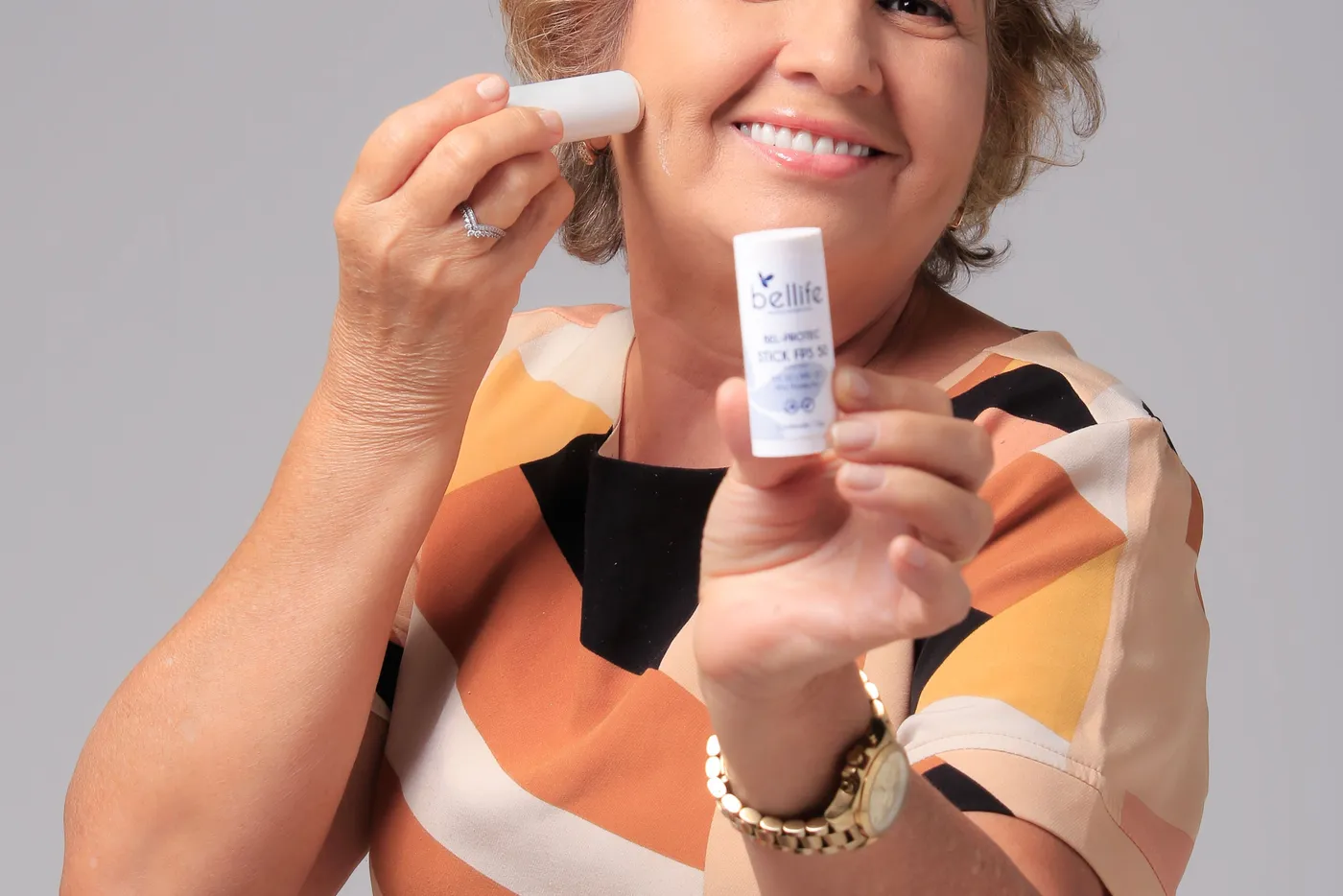
- Daily broad-spectrum sunscreen. This is the single highest-leverage habit for skin at any age — most visible "aging" is actually cumulative sun damage, not age by itself.
- Consistent moisturizing with humectants like hyaluronic acid or glycerin, which help skin hold onto water it's naturally losing more of as oil production slows down.
- A retinoid, prescription-strength or a gentler over-the-counter version, which is the best-studied ingredient for encouraging collagen production and smoother texture over time.
- Protecting the skin barrier — meaning fewer harsh scrubs and strong actives layered at once, since older skin is more easily irritated and slower to repair itself than it used to be.
None of this reverses time. What it does is measurably slow how fast visible changes show up, and that's a realistic goal worth having.
What About Nail Health & Common Nail Concerns?
Nails get far less attention than skin in most beauty content, which is a little backwards given how much they change with age. A cross-sectional study on nail structure in older adults found that pigmentation changes, thickening at the edge of the nail, and surface ridging are among the most common age-related changes doctors see — and brittle nail syndrome specifically is estimated to affect roughly a third of older adults (see the research summary at NIH/PubMed Central). Toenails in particular take the most day-to-day wear — years in tight shoes, less circulation than fingers get, and more moisture exposure from showers, pools and sweat — which is part of why toenail concerns tend to show up more than fingernail ones after 50.
To be clear about what's normal aging versus what's worth a doctor's visit: some dulling, thickening and slower growth is expected and not a sign anything is wrong. Sudden changes, pain, swelling, or a nail separating from the nail bed are different — those are worth having a doctor or podiatrist actually look at rather than guessing from a product label.
For the more everyday concern — nails that look less clear and healthy than they used to, and skin around them that gets rough or irritated — a simple daily routine matters more than any single product. This is where I started testing KeraFirm Pro, a natural-oil applicator formula built around 13 ingredients (including tea tree oil, Vitamin E and aloe vera) applied with a precision brush as part of a daily habit. It's positioned honestly as support for clear, healthy-looking nails and smoother skin — not a cure for anything — which matched what I was actually looking for.
Daily Rituals That Support Skin & Nails Together
A few habits I've kept because they genuinely made a visible difference, not because they're trendy:
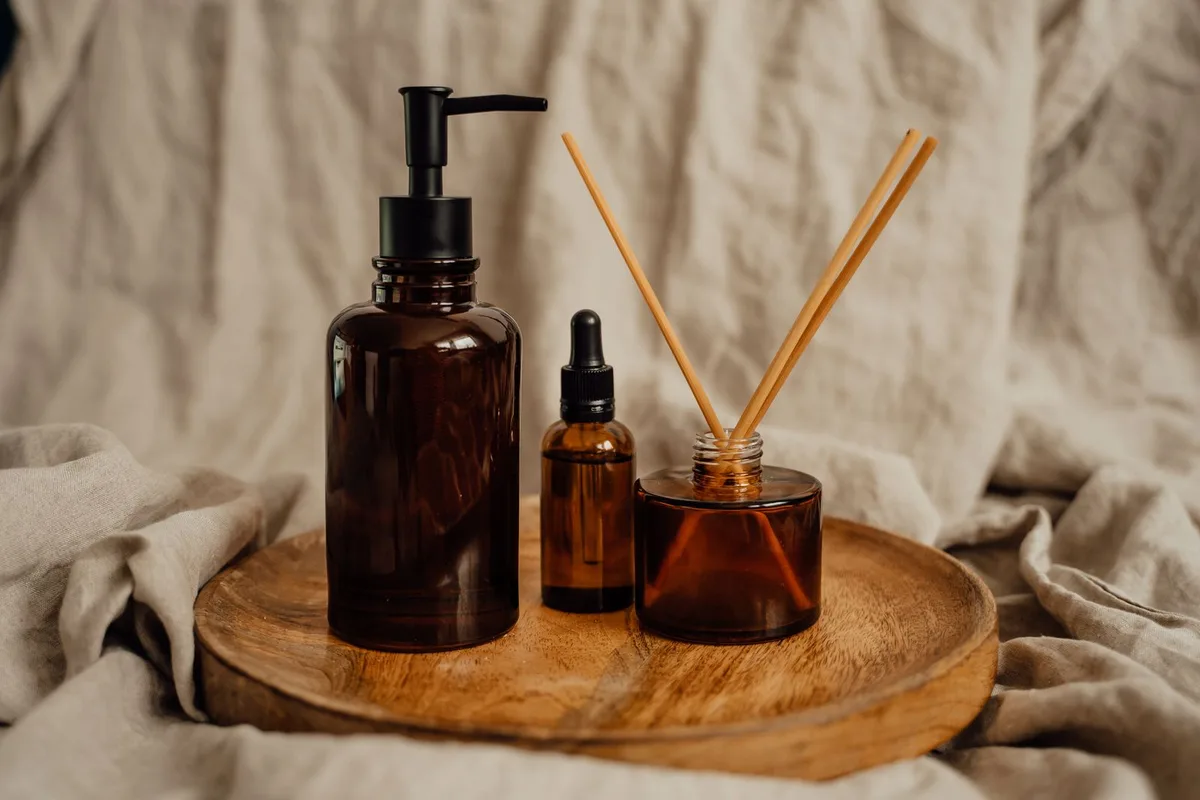
- Moisturize hands and feet, not just your face. Hands and feet lose moisture just as fast as facial skin but rarely get the same routine — a nightly hand and foot cream habit shows up in nail health within a few weeks.
- Wear gloves for cleaning and dishes. Repeated water and detergent exposure is one of the most underrated causes of brittle, peeling nails and dry, cracked cuticles.
- Trim nails straight across, and keep them a bit longer. Very short, deeply rounded nails are more prone to splitting and, for toenails, ingrown edges.
- Choose breathable footwear when you can. Nails and the skin around them recover faster with some airflow instead of being closed in damp shoes all day.
- Give any new routine 4 to 8 weeks before judging results — skin renews on roughly that cycle, and nails take even longer, so a week of a new cream or applicator won't tell you much either way.
Does This Connect to Menopause?
Yes, more than most people realize. The same declining estrogen that drives hot flashes and mood changes is also directly linked to lower collagen production and slower nail growth, which is part of why skin and nail changes often become noticeable around the same years as other menopause symptoms. If you're dealing with both at once, it's not a coincidence — it's the same underlying hormonal shift showing up in more than one place. I cover that side of things in more depth in the menopause supplements guide, including the one hormonal-support formula, Menovelle, I've reviewed in full so far.
Frequently Asked Questions
Why do nails get thicker and more brittle after 50?
Nail growth slows by roughly half a percent a year starting in your 20s, and by your 50s that adds up to noticeably slower-growing, drier, more brittle nails. Circulation to the fingers and toes also decreases slightly with age, and the nail plate's water content drops, which is why nails that used to be flexible start splitting or cracking more easily.
Is it normal for toenails to change color or texture after 50?
Some dulling, yellowing or thickening is a common part of aging nails and isn't automatically a sign of infection. That said, sudden changes, pain, or nails lifting from the nail bed are worth having a doctor or podiatrist look at.
Does menopause affect skin and nails?
Yes. Declining estrogen during and after menopause is linked to lower collagen production, thinner and drier skin, and slower nail and hair growth, which is part of why skin and nail changes often become more noticeable around the same years as other menopause symptoms.
What ingredients actually help aging skin?
Daily broad-spectrum sunscreen has the strongest evidence behind it, followed by consistent moisturizing with humectants like hyaluronic acid or glycerin, and retinoids for collagen support. None of these reverse aging, but they measurably slow visible changes over time.
Can a nail applicator formula like KeraFirm actually help?
KeraFirm Pro is a natural-oil applicator formula designed to support clear, healthy-looking nails and smoother skin as part of a daily routine — it's not marketed as a cure for any nail condition, and results depend on consistent use. We break down the full ingredient list in our KeraFirm review.
How long before a nail or skin routine shows results?
Skin usually shows visible change within 4 to 8 weeks of a consistent routine. Nails grow even slower — a fingernail takes about 3 to 6 months to fully replace itself, and toenails 12 to 18 months, so nail-focused routines need real patience.
Ready to See the Official Pages?
Each official site shows the current packages, prices and guarantee.