
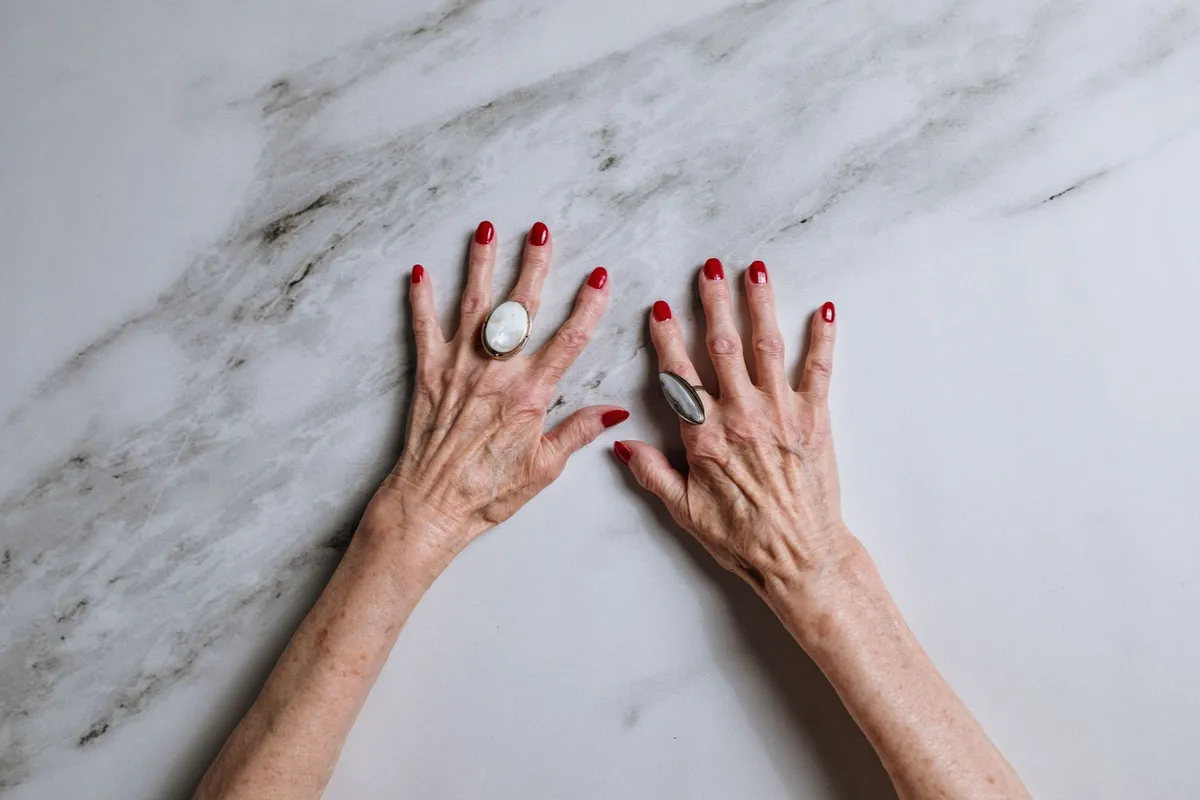
If your nails have started to split at the tip, peel in thin layers or show new ridges, you are in very good company. In a 2026 survey of 1,457 people going through perimenopause or menopause in England, about four in ten (578 people) reported brittle nails, and the people interviewed said it affected their confidence and self-image. The encouraging part is that most of what changes in a nail comes down to growth speed and moisture, and both respond to simple daily care.
I write Primaurea from my own experience after menopause. I am not a doctor, a dermatologist or a podiatrist, so this guide is a research review: every number comes from a source I read, and the sources are listed at the end so you can check them yourself. It also covers two nail care products readers ask me about, with a simple table to help you choose between them.
Why Do Nails Change After Menopause?
Three things stack up. The first is speed. The Cleveland Clinic says fingernails grow about 3 millimeters a month and toenails about 1.5 millimeters. A dermatology review in the Indian Journal of Dermatology, Venereology and Leprology reports that this rate falls by roughly 0.5% a year between the ages of 25 and 100, and it cites an older study in which thumbnail growth dropped by an average of 38% between the third and the ninth decade of life. So by your fifties, nails simply take longer to renew themselves.
The second is the skin around the nail. A review in Dermatoendocrinology explains that after menopause, estrogen deficiency leaves skin thinner, with less collagen, less elasticity and more dryness. The cuticle and the folds that frame each nail are skin too, so it makes sense that they feel the same change. I wrote about the hormone side of this stage in my hormonal balance after menopause guide.
The third is the nail plate itself. The same dermatology review notes that older nails often look duller and show more lengthwise ridges, roughness and splitting, and that brittle nails are common in people over 60. A review in Canadian Family Physician adds that nail changes are common in older adults and that they can be normal age-related alterations.
How much of this is hormones and how much is simply the years is still being mapped. The most direct data I found is a 2026 poster abstract in the British Journal of Dermatology: in that survey, 40% of respondents reported brittle nails, 24% thin nails and 5% thicker nails, and the authors conclude that clinicians should proactively ask about nail concerns in menopause. It is a survey of reported symptoms, not a trial of estrogen, so I read it as confirmation that you are not imagining it. The reassuring side is that what makes a nail brittle in daily life is mostly dryness and wear, and that is the part you can change. My skin and nail care guide covers the wider picture.
What Makes Nails Brittle, Split and Peel?
Water is the big one. Nails are built from keratin, and the Cleveland Clinic notes that the water inside the nail plate helps keep it from getting too dry or fragile. The dermatology review puts numbers on it: a healthy nail holds about 18% water, becomes brittle when that drops below 16% and turns soft above 25%.
What pulls the level down is repeated cycles of wetting and drying. The review lists a lot of household wet work and the overuse of nail enamel, enamel removers and cuticle removers as common triggers, and says the first three fingers of your dominant hand are the most exposed. The American Academy of Dermatology (AAD) agrees: too much water exposure can weaken nails and make them split, peel or break, and using nails as tools, for example to open a can, can chip, split or lift them.
Here is a quick way to read what you are seeing:
| What you notice | What it often means | What helps |
|---|---|---|
| Thin layers peeling at the tip | Repeated wetting and drying, or frequent enamel and remover use. | Gloves for dishes and cleaning, and moisturizer after every hand wash. |
| Lengthwise ridges | A common change with age. MedlinePlus lists vertical ridges among the harmless ones. | Keep the nail moisturized and gently shaped. |
| Growth that seems slower | Nail growth slows by roughly 0.5% a year from your twenties. | Patience: a fingernail takes about six months to grow out, a toenail 12 to 18 months. |
| A thick, yellowed, crumbling or painful nail, or one that lifts | Several conditions look alike, so appearance alone cannot tell them apart. | A visit to a dermatologist or podiatrist. |
What Actually Helps Nails Recover?
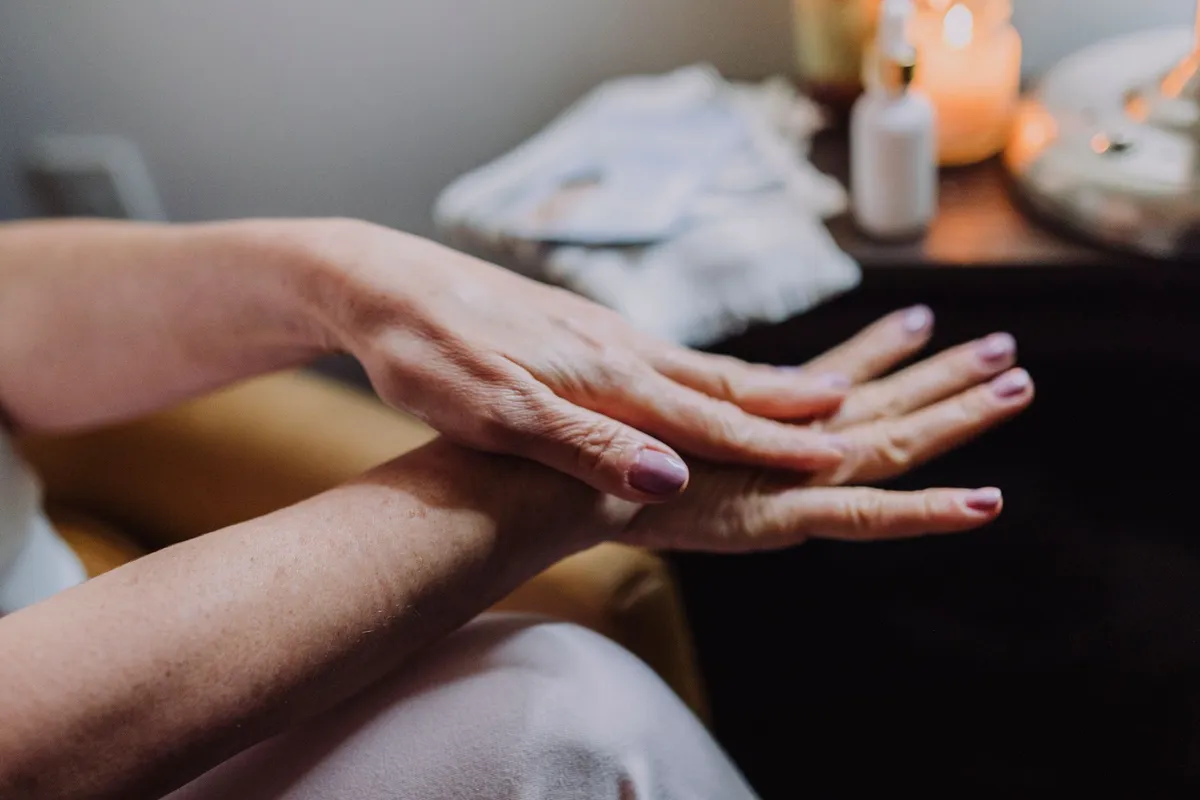
The dermatology review describes a two-step approach that I find easy to remember: remove whatever is causing the dryness, then rehydrate the nail plate, the cuticle and the folds. For rehydrating, it suggests soaking the nails in lukewarm water for 10 to 20 minutes and then applying a moisturizer, such as one with lactic acid, urea, phospholipids or mineral oils, preferably under occlusion with cotton gloves or socks. The Cleveland Clinic gives the short version: use nail moisturizers, especially if your nails are brittle.
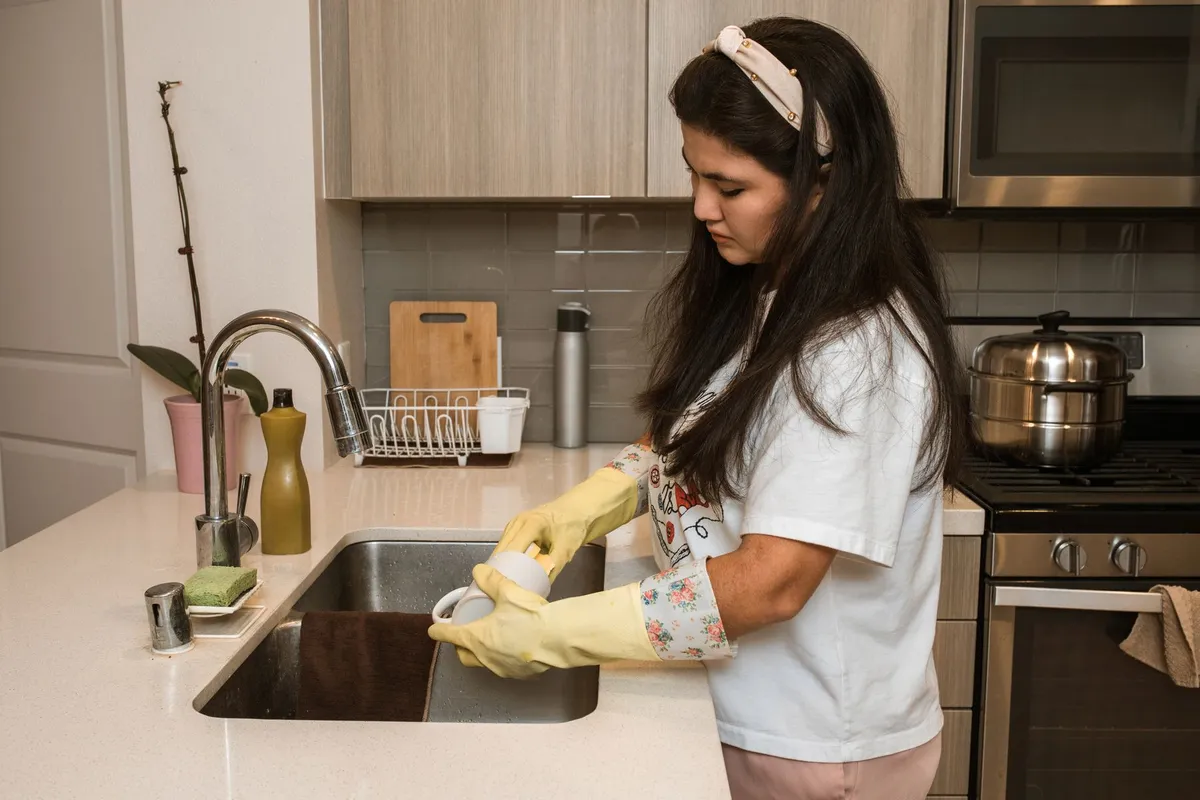
The AAD's everyday habits fit right around that routine:
- Gloves for wet work: wear them for dishes and cleaning, and moisturize after washing your hands.
- Gentle shaping: cut nails straight across, round the tips slightly and smooth them with an emery board.
- Hands off the cuticle: do not bite your nails or remove the cuticle, and do not use nails as tools.
- Toenail basics: trim them regularly, wear shoes that fit and alternate your pairs.
Then comes the part nobody likes: time. According to the Cleveland Clinic, a fingernail needs at least six months to grow out completely and a toenail 12 to 18 months. That is why I judge a routine by the new nail coming in at the base, not by the old nail at the tip, and why a few weeks is too soon to decide.

Do Biotin and Other Supplements Help Nails?
Biotin is the one every beauty aisle mentions. The National Institutes of Health (NIH) Office of Dietary Supplements explains that brittle nails can be a sign of biotin deficiency, which is rare, and that most people in Western countries get enough from food: eggs, fish, meat, seeds, nuts and sweet potatoes all contribute, against an adequate intake of 30 micrograms a day for adults.
Supplements are often promoted for nails, and the NIH describes the research as a few case reports and small studies. Three small studies without a placebo group used 2.5 milligrams a day for several months. In one, 41 of 45 people with thin, brittle fingernails ended up with firmer, harder nails, and in another, 22 of 35 improved. The NIH adds that larger studies are still needed. It also notes that biotin beyond the recommended intake can skew some lab tests, so tell your doctor and the lab if you take it.
I like to think of it as inside and outside. A supplement, if your doctor agrees, works from the inside over months, while a leave-on nail care step works on the surface and the cuticle every day. They are not rivals, and the second kind is where the two products below come in.
Which Nail Care Products Can Fit Into Your Routine?
Two nail care products come up most when readers ask me about this. Both are for external use, applied directly to the nails and the skin around them, so they sit alongside the habits above rather than replacing them, and both are made mainly with toenails and the skin of the feet in mind. I go through each label in my KeraFirm Pro review and my NanoDefense Pro review. Here is the short version.
KeraFirm Pro: a brush-on blend of natural oils and nutrients
KeraFirm Pro is an applicator formula built around 13 named ingredients, among them sweet almond oil, flaxseed oil, walnut oil, chia seed oil, tea tree oil, aloe vera and vitamin E. The built-in precision brush puts it right where you want it, so each application takes a few seconds, and the official page lists the full directions. It is a good fit if you like a quick, targeted step you can repeat through the day.
The official store lists 2 bottles at $158 plus $9.99 shipping (a 60-day supply), 3 bottles at $207 and 6 bottles at $294, which is $49 a bottle, with free US shipping on the 3- and 6-bottle kits. Every order is backed by a 60-day money-back guarantee.
NanoDefense Pro: an aloe and peptide liquid you massage in for about a minute
NanoDefense Pro is a liquid for the feet, toenails and the skin around them, sold in a 15 ml bottle. Its label starts with a water, aloe, glycerin and cucumber base, then lists three palmitoyl peptides, turmeric and quercetin extracts, luteolin and chrysin, with the full ingredient list printed on the bottle. You massage it into clean, dry skin for about 60 seconds a day, which makes it a good fit if you like a calm, one-minute step after your bath or shower.
The official site lists 1 bottle at $69 (a 30-day supply), 3 bottles at $177 ($59 each) and 6 bottles at $294 ($49 each), all with free US shipping, and every order is backed by a 180-day money-back guarantee.
Prices are in US dollars, as listed on the official sites on October 12, 2026, and may change.
Which One Fits You?
They are different in style, so there is no single right answer. Find the line that sounds most like you:
| If this sounds like you | Look at | Why |
|---|---|---|
| You like a quick brush-on step that you can repeat through the day. | KeraFirm Pro | It comes with a precision brush, and its label names 13 oils and nutrients, from sweet almond oil to vitamin E. |
| You prefer one calm minute at the end of your bath or shower. | NanoDefense Pro | You massage the liquid in for about 60 seconds a day, and its base is aloe, glycerin and cucumber. |
| You want the longest money-back window. | NanoDefense Pro | Its guarantee lasts 180 days, against 60 days for KeraFirm Pro. |
| You want to start with the smallest first purchase. | NanoDefense Pro | One 30-day bottle is $69, and you can step up to the 3- or 6-bottle kits later. |
| You like a longer supply at a lower price per bottle. | Either one | Both 6-bottle kits are $294, which is $49 a bottle, with free US shipping. |
| You have diabetes, poor circulation, broken skin or a nail that hurts. | Your doctor first | Show your provider the label of whichever you like before you begin. |
Whichever you pick, the official page shows the full label and the current offer, so that is the best place to read the details before you decide.
When Should You Talk to Your Doctor About Your Nails?
Most nail changes at this stage are ordinary, but a few situations deserve a conversation:
- Nails that change, swell or hurt: the AAD advises seeing a dermatologist, because these can be signs of a more serious nail problem.
- Diabetes or poor circulation: the AAD says it is especially important to seek treatment for any nail problem if you have either.
- New color or a sudden change in growth: MedlinePlus explains that the health of your nails can be a clue to your overall health, so a new change is worth showing to your provider.
- Biotin and blood tests: mention any biotin product to your doctor and the lab before a test, because it can affect some results.
- A new nail product: the AAD suggests a patch test on a quarter-sized spot, twice a day for seven to 10 days, and follow the label directions, which for NanoDefense Pro include not applying it to wounds or damaged skin.
- Your next menopause check-up: bring up your nails. The authors of the 2026 survey say clinicians should ask about them.
The Bottom Line: Where Should You Start?
Start with the foundations: gloves for wet work, a moisturizer you enjoy using after every hand wash, gentle shaping with an emery board and a little patience, since nails renew over months. Then add what fits your style, whether that is a quick brush-on step or a calm minute after your bath. Use the table above to match one to your habits, show the label to your doctor, and judge the result by the new nail growing in. Your nails are renewing all the time, and every step on this page works in your favor.
Frequently Asked Questions
Why do my nails split and peel after menopause?
Nail growth slows with age, and a nail that loses moisture turns brittle. The dermatology literature describes a normal nail as holding about 18% water and becoming brittle below 16%, with repeated wetting and drying as a common trigger. After menopause the skin around the nail also gets thinner and drier, so the whole area feels the change.
Does menopause cause brittle nails?
Many women report it. In a 2026 survey of 1,457 people in perimenopause or menopause in England, 40% reported brittle nails and 24% thin nails. The research on exactly how hormones affect the nail is still developing, and age, water exposure and dryness all play a part.
Are vertical ridges in my nails normal after 50?
Lengthwise ridges are a common change with age, and MedlinePlus lists vertical ridges among the harmless nail changes. Keeping the nail moisturized helps it stay flexible. A new color change, swelling or pain is worth showing to a dermatologist.
How long does it take for nails to grow out?
The Cleveland Clinic says a fingernail needs at least six months to grow out completely and a toenail 12 to 18 months. Because growth slows with age, it is fair to judge any routine by the new nail coming in over several months.
Does biotin help brittle nails?
The NIH describes the evidence as a few small studies without a placebo group, using 2.5 mg a day for several months, with larger studies still needed. Most people get enough biotin from food. If you take a supplement, tell your doctor and the lab, because biotin can affect some blood test results.
What can I do at home for brittle nails?
Wear gloves for dishes and cleaning, moisturize your hands and nails after washing them, cut nails straight across, shape them with an emery board and avoid using your nails as tools. A dermatology review also suggests soaking the nails in lukewarm water for 10 to 20 minutes and then applying a moisturizer, ideally under cotton gloves.
Are KeraFirm Pro and NanoDefense Pro worth trying?
They are two different leave-on options for the nails and the skin around them, both made mainly with toenails and feet in mind. KeraFirm Pro is a brush-on blend with a 60-day guarantee, and NanoDefense Pro is a liquid you massage in for about a minute with a 180-day guarantee. The table in this guide matches each to a common situation.
When should I see a doctor about my nails?
See a dermatologist or podiatrist if a nail changes color, swells, hurts, thickens, crumbles or lifts from the nail bed, and see one early if you have diabetes or poor circulation. Several nail conditions look alike, so a professional is the one to tell them apart.
Want to Add a Nail Care Step to Your Routine?
Visit the official website of either one to see the full label and current offers.
Statements about nail care products on this page have not been evaluated by the Food and Drug Administration. These products are not intended to diagnose, treat, cure or prevent any disease and are for external use only. Talk with your doctor before starting a new product, especially if you have diabetes, poor circulation or a medical condition.
Sources
- British Journal of Dermatology (2026): characterizing nail changes in menopause, poster abstract
- Indian Journal of Dermatology, Venereology and Leprology (2005): nail changes and disorders among the elderly
- Canadian Family Physician (2011): common nail changes and disorders in older people (PubMed Central)
- Dermatoendocrinology (2013): estrogens and aging skin
- American Academy of Dermatology: 11 dermatologists' tips for healthy nails
- American Academy of Dermatology: how to test skin care products
- MedlinePlus: nail diseases
- Cleveland Clinic: nail anatomy
- NIH Office of Dietary Supplements: biotin, health professional fact sheet