

Your yearly bloodwork comes back and the cholesterol line is higher than it used to be. You have not changed how you eat, you still walk most days, and yet the numbers moved. If that sounds familiar, you are in very good company, and it is one of the questions women ask me most after menopause.
I write Primaurea from my own experience after menopause, and I am not a doctor. So I read what the National Heart, Lung, and Blood Institute, MedlinePlus, the Office on Women's Health and the SWAN study (a long-running U.S. study of women through midlife) have to say. Below you will find why the numbers shift, four everyday habits that support healthier ones, and where a daily capsule such as ColestZen can fit.
Why Does Cholesterol Change After Menopause?
The National Heart, Lung, and Blood Institute puts it plainly: a woman's risk of high cholesterol goes up after menopause. Menopause lowers levels of female hormones that may protect against high blood cholesterol, and after menopause women's levels of total and "bad" LDL cholesterol usually go up, while their "good" HDL cholesterol goes down. The Office on Women's Health adds that the risk of heart disease rises after menopause too.
Age plays a part as well. The institute explains that as you get older, your metabolism changes and your liver does not remove LDL cholesterol as well as it did when you were young. High cholesterol is most commonly diagnosed between ages 40 and 59, so these two things often arrive in the same decade.
The best numbers come from SWAN, the Study of Women's Health Across the Nation. Researchers followed 3,302 women through the menopause transition, and 1,054 of them reached a natural final menstrual period without hormone therapy before it. They then asked which changes follow the calendar and which follow menopause itself. Blood pressure, glucose, insulin and inflammation markers followed the steady line of aging. Total cholesterol, LDL cholesterol and apolipoprotein B (a protein carried by LDL particles) were different: they showed a clear increase in the year around the last period, and the pattern was similar across ethnic groups.
I find that finding clarifying rather than worrying. It tells you the shift is a known, common part of this stage, with a name and a timeline, and it points to a stretch of life when everyday habits are well placed to help. For the bigger hormone picture, my guide to hormonal balance after menopause is a good next read.
What Do LDL and HDL Actually Mean?
Cholesterol is a waxy, fat-like substance found in every cell of your body, and your body needs some of it. Your liver makes it, and it travels through your blood on proteins called lipoproteins. MedlinePlus describes the two you hear about most:
- LDL is sometimes called the "bad" cholesterol, because a high LDL level leads to a buildup of cholesterol in your arteries.
- HDL is sometimes called the "good" cholesterol, because it carries cholesterol from other parts of your body back to your liver, which then removes it.
So the goal is a gentle one: keep LDL in range and give HDL a chance to rise. The same pages say there are steps that can lower LDL and raise HDL, and they are the habits below.
Which Everyday Habits Support Healthier Cholesterol?
The National Heart, Lung, and Blood Institute and MedlinePlus list the same heart-healthy habits. You do not need to do all of them at once, and each one makes the next easier.
1. Fill your plate with heart-friendly foods
Both agencies describe an eating plan built on whole grains, fruits and vegetables instead of refined carbohydrates such as sweets and other high-sugar foods, with a variety of nuts and little or no salt in cooking. It also limits saturated fat, the kind found in fatty cuts of red meat and dairy products: the institute says no more than 10% of your daily calories should come from it. My list of best foods to ease menopause symptoms has easy ideas that fit this style of eating.

2. Keep moving, and add a little strength
Studies have shown that physical activity can lower LDL cholesterol and triglycerides and raise HDL. The institute even notes that resistance training among postmenopausal women may decrease total cholesterol, LDL cholesterol and triglycerides. A brisk walk most days is a lovely start, and a few minutes with light weights or a resistance band is an easy way to add strength. If your joints ask for a gentler start, my guide to joint pain after 50 has low-impact ideas.

3. Protect your sleep and calm your stress
MedlinePlus says that getting 7 to 9 hours of sleep every night lowers your risk of high LDL and total cholesterol, and that chronic stress can sometimes raise LDL and lower HDL. A regular bedtime and a few slow breaths in a busy afternoon cost nothing. If hot flashes keep chopping up your nights, my guide to menopause and sleep walks through what helps.
4. Mind the small things around your waistline and your glass
The institute shares an encouraging number: adults with overweight can lower LDL and raise HDL by losing only 3% to 5% of their weight. It also notes that smoking lowers HDL, particularly in women, and that more than one drink a day for women can raise total cholesterol. Many women gain weight around menopause, and my guide to weight gain after 50 looks at gentle ways to work with it.
What Does a Calm First Week Look Like?
You do not need to change everything at once. Here is one way to start:
- Tonight: pick a bedtime and keep it all week.
- Tomorrow: walk for ten minutes after lunch.
- Midweek: swap one refined carb for a whole grain and keep a small handful of mixed nuts nearby.
- Weekend: try a short strength session with light weights or a band, then a longer walk with a friend.
Give it a few weeks before you judge. If one change feels easy, keep it and add the next. Because blood sugar and cholesterol often show up together as we get older, my guide to blood sugar after 50 pairs nicely with this one.
Where Can a Daily Heart Capsule Fit In?
Food, movement, sleep and a calm mind come first, and no capsule takes their place. Some readers like to add one daily supplement on top as a simple extra step. If that sounds like you, ColestZen is the heart-support capsule I review on Primaurea.
ColestZen: an 18-ingredient capsule for cholesterol, heart and blood sugar support
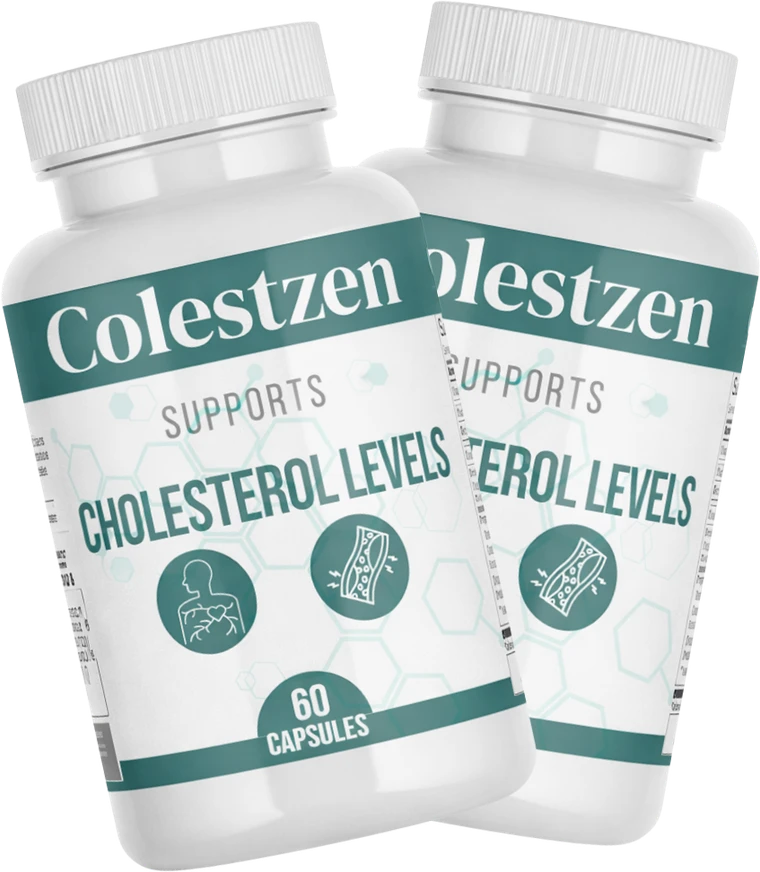
ColestZen is a daily capsule sold to support healthy cholesterol, heart health and balanced blood sugar. The official page names all 18 ingredients: nine botanicals, including bitter melon, cinnamon bark and gymnema sylvestre, and nine micronutrients, including chromium, magnesium, zinc, vitamin C and L-taurine. The producer says it is made in the USA in an FDA-registered, GMP-certified facility.
The routine is simple: you take 2 capsules every morning with a big glass of water, and each bottle holds 60 capsules, so one bottle is a month. I like it for a reader who wants one easy morning step that sits beside the habits above, with a 60-day money-back guarantee that gives you a fair stretch of weeks to see how it fits your routine. I go through every ingredient in my ColestZen review.
On the official order page on October 25, 2026, two bottles were $158 ($79 each, plus shipping), three bottles were $207 ($69 each, plus shipping) and six bottles were $294 ($49 each, with free US shipping), and every order comes with a 60-day money-back guarantee. As the official ColestZen page advises, show the bottle to your doctor before taking it.
Prices are in US dollars, as listed on the official site on October 25, 2026, and may change.
Cholesterol After Menopause: My Verdict
Cholesterol after menopause is a known, common change, and the SWAN research gives it a clear timeline: the biggest shift comes around the last period. That is good news for what you can do today. Start with the things you control this week: a plate with more whole grains, fruits and vegetables, a daily walk, a steady bedtime and a few minutes of strength work.
If you would like one daily capsule beside those habits, ColestZen is an easy, one-step morning routine with a 60-day guarantee. My healthy aging after 50 guide brings sleep, memory and everyday habits together in one place.
Frequently Asked Questions
Does cholesterol go up after menopause?
Usually, yes. The National Heart, Lung, and Blood Institute says that a woman's risk of high cholesterol goes up after menopause, and that women's levels of total and LDL cholesterol usually rise while HDL cholesterol goes down. Menopause lowers levels of female hormones that may protect against high blood cholesterol.
Why does LDL cholesterol rise after menopause?
Two things work together: the drop in female hormones that may protect against high cholesterol, and the normal changes of aging, since the liver does not remove LDL as well as it did when you were young.
When does the change happen?
In the SWAN study of 1,054 women with a natural menopause, total cholesterol, LDL cholesterol and apolipoprotein B showed a clear increase in the year around the final menstrual period, and the pattern was similar across ethnic groups. Other risk factors, such as blood pressure and glucose, followed the steady line of aging.
What is the difference between LDL and HDL?
MedlinePlus explains that LDL is sometimes called the bad cholesterol because a high level leads to a buildup in your arteries, while HDL is sometimes called the good cholesterol because it carries cholesterol back to your liver, which removes it.
What everyday habits support healthier cholesterol?
Heart-healthy eating with whole grains, fruits, vegetables and nuts and less saturated fat, regular physical activity, 7 to 9 hours of sleep, calmer stress, a healthy weight and not smoking, according to the National Heart, Lung, and Blood Institute and MedlinePlus.
Does exercise help cholesterol after menopause?
Studies have shown that physical activity can lower LDL cholesterol and triglycerides and raise HDL cholesterol. The institute adds that resistance training among postmenopausal women may decrease total cholesterol, LDL cholesterol and triglycerides.
What is in ColestZen and how do I take it?
ColestZen is a daily capsule with 18 named ingredients, nine botanicals (including bitter melon, cinnamon bark and gymnema sylvestre) and nine micronutrients (including chromium, magnesium, zinc, vitamin C and L-taurine). Take 2 capsules every morning with a big glass of water. Each bottle holds 60 capsules, a 30-day supply.
How much does ColestZen cost?
On October 25, 2026, ColestZen was $158 for two bottles (plus shipping), $207 for three (plus shipping) and $294 for six, with free US shipping on the six-bottle option, on the official site. Every order comes with a 60-day money-back guarantee.
Want to See the Offer for Yourself?
Visit the official website to read about the formula and see the current offer.
Statements about dietary supplements on this page have not been evaluated by the Food and Drug Administration. This product is not intended to diagnose, treat, cure or prevent any disease.
Sources
- National Heart, Lung, and Blood Institute: blood cholesterol causes and risk factors
- National Heart, Lung, and Blood Institute: blood cholesterol and healthy lifestyle changes
- MedlinePlus: how to lower cholesterol
- Office on Women’s Health: menopause and your health
- Journal of the American College of Cardiology (2010): cardiovascular risk factors in midlife women, SWAN (PubMed Central)